


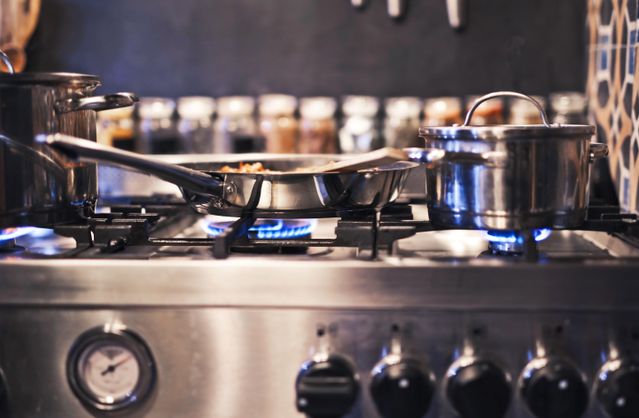
The kitchens in Sydney get used more in winter than at other times. Kitchens in old houses and those that are small mean that there is not much space between the appliances and other things that people have. The tea towels and packaging could end up being near the hot surface. This becomes worse when there is a defective stove.
Kitchen Fires in NSW
According to Fire and Rescue NSW, last winter 37 per cent of fires in NSW happened in kitchens. These figures apply to the whole state, not Sydney.
Of the ten council areas with the highest number of kitchen fires five were in western Sydney. In all, 175 such fires occurred in western Sydney, where stove repairs Sydney may matter.
In April, a survey was done in NSW in which 40 per cent said they did not have fire extinguishers or blankets. The same report showed that 45 per cent of the 3,884 homes that suffered a major fire had no working smoke alarms.
These figures give locations of fires and preparedness in the home. There are no figures for fires involving defective stoves or appliances.
Reasons Why Kitchen Fire Statistics Cannot Show a Defective Stove
Kitchen fires can have many different causes. These may include negligence while cooking, overheated oil, objects around the cooking area and electrical problems.
The statistics provided by Fire and Rescue NSW do not differentiate between appliance-related cases and cooking habits. Thus, they cannot determine whether a stove malfunction is responsible for a particular fire.
According to Fire and Rescue NSW, people need to pay attention while cooking. If someone does not supervise cooking, the food or the oil in the pan will overheat.
Stove faults need a completely different approach. Stoves that give off sparks, work even when turned off or keep triggering the circuit breaker require professional intervention. Such an appliance cannot be used until it is checked by a tradesperson.
What to Do If a Fire Breaks Out in the Kitchen
One must not throw water onto a kitchen fire caused by oil. It will result in the fire spreading even more.
Fire and Rescue NSW advises people to have fire blankets and fire extinguishers in the kitchen because, according to Jeremy Fewtrell, commissioner at Fire and Rescue NSW, they are very important for kitchen safety.
A person must try to handle the fire considering its size and conditions. One must not stay in a dangerous kitchen and put themselves in danger while fighting spreading flames.
One should leave a place filled with smoke or a growing fire and call 000 from a safe place. One’s safety is the most important thing.
Simple Habits to Cut Down on Kitchen Fire Risks
Small changes around the cooktop can make a big difference. Fire and Rescue NSW say that the first thing you should do is turn those saucepan and frying pan handles inwards so they can’t be knocked over by accident.
They also recommend getting a clean-up after use. Cleaning those grills is a must, and it’s also a good idea to check and maintain those rangehood filters. Don’t forget, grease deposits around cooking equipment are a fire waiting to happen.
And here’s another thing, keep those tea towels, curtains and bits of packaging away from hot surfaces. If you’re a bit tight for space on the bench, don’t go storing unnecessary items right beside the stove.
Don’t forget about your smoke alarms either. Make sure they’re all working properly, and ideally, you should be checking them regularly. A working alarm will give you an early warning when there’s smoke inside the house.
What You Can Do If Your Stove’s Not Working
Tenants often spot problems with appliances before the landlord or property manager does. A stove that stops working can make a real difference to your daily life, especially if the landlord supplied it as part of the rental property.
Under NSW residential tenancy law, there are certain faults that are classed as urgent repairs. So if you’ve got a gas leak, a dodgy electrical fault or your stove just breaks down, that’s considered an emergency. It’s your landlord’s job to fix it, but you should let them know ASAP.
Written communication helps keep a record of when the problem was reported, so make sure you put it in an email or letter. If you can, take some photos of the problem and explain what’s going on in your message. And if the landlord doesn’t get around to fixing it, you can get in touch with NSW Fair Trading for some guidance on what to do next.
A Quick Stove Check Before Winter Hits
Before the winter months when you’ll be using the stove more, take a few minutes to check around the kitchen. Here’s what to look out for:
- Are the removable burner caps in the right spot?
- Are there any damaged knobs or loose controls on the stove?
- Get rid of all that clutter around the cooktop, packaging and other bits and pieces that are taking up space.
- Test your smoke alarms and locate the fire blanket or extinguisher.
But do leave the electrical and gas components alone. If you think there’s a problem with one of those, get a licensed tradesperson to take a look.
And one last thing, never, ever use outdoor cookers or heaters inside an enclosed space. That’s just a recipe for disaster, and will lead to carbon monoxide building up in the house.
Even with a working stove, you still need to take care of it. If you notice anything unusual, like strange noises, smells or electrical problems, get it checked out right away. Early repairs and good kitchen habits will make all the difference in keeping you and your family safe.
Tags:KS

Leave a reply