


Why Perth Homeowners Are Reconsidering Wood Heaters, and What the Modern Versions Have Changed?

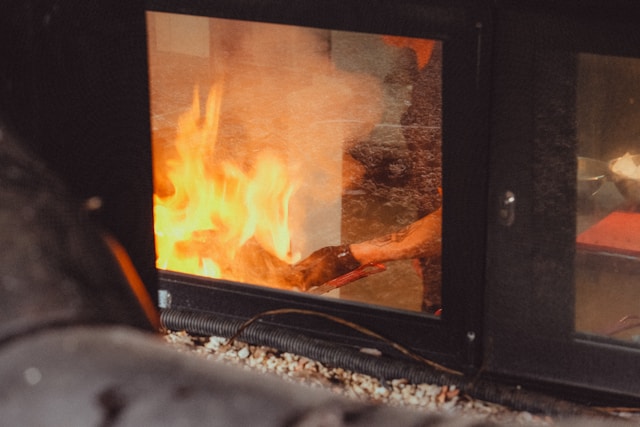
June in a Perth home built out of just one brick, without a lick of decent insulation, just isn’t a mild winter. It feels cold enough to run the heater all day, every day, and that electricity bill that comes in every quarter is just a constant reminder that all that warmth is being slowly drained out of the walls. With electricity prices keeping on going up, up, up, more and more Perth homeowners are starting to think about heating that doesn’t tie so closely to the power meter, and increasingly, they’re settling on wood heaters. Not the smoky, clunky old boxes we used to know from 30 years ago, the modern versions are a different beast entirely, and the only way to figure out if they’re worth your money is to understand what’s changed.
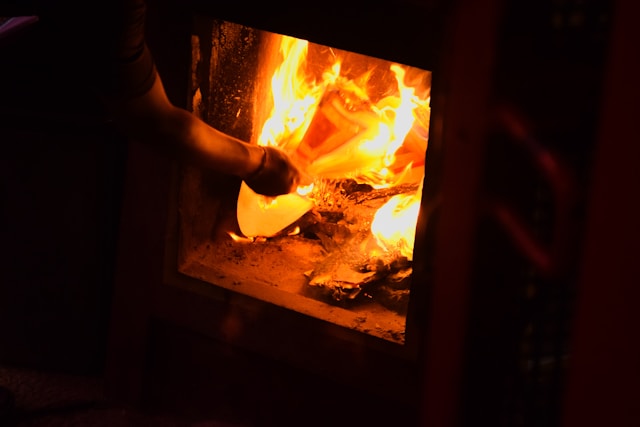
Perth’s Climate Makes Wood Heating A Whole Different Ball Game
Perth’s got around 60 to 70 days where the temperature drops enough that you really need the heater to feel comfortable, and that’s always from May to September. That’s a pretty short heating season, and it really skews the math when it comes to whether or not a wood heater is a good idea. In Canberra or the Victorian highlands, you’d get a better payback on the investment over a longer period of time. But in Perth, unless you’re going to use it every day for those few months, it just might not be worth the cost. And it’s single brick homes, or the older double brick ones that pre date 1990s building codes that really stand to gain from a wood fire, they lose heat so fast but respond so well to the warmth that a wood fire gives off, not that warmth in the air itself, but warmth in the surfaces and objects. And when you’re talking about an older house with gaps all over the place, that makes a big difference.
So, What’s Changed In Modern Wood Heaters Perth Units?
Australian Standards are now the norm when it comes to how much particle pollution a wood heater can produce, AS/NZS 4013 sets mandatory limits that manufacturers have to meet before they can even sell you a unit. And the results? Modern wood heaters Perth are a heck of a lot less polluting than the old ones. And most good quality free standing units come with secondary combustion chambers that burn off all those leftover particles and gases before they even make it out the chimney. You’ll also see efficiency ratings on the label, just like energy ratings, the higher the number, the more of that wood’s energy is actually making it into your room, and not just floating off into the atmosphere. And if you live in Perth, the WA Department of Water and Environmental Regulation is keeping an eye on wood heater emissions across the city, they’ll even give you some tips on how to keep it from making a mess of the air, especially in valley suburbs where the smoke can settle overnight and make your neighbours unhappy.
Freestanding Versus Inbuilt: That’s The Choice That’s Going To Cost You The Most
For Perth homes that don’t already have a chimney, a freestanding unit with a twin wall insulated flue is almost always the way to go, it’s faster and cheaper, and all you need to do is run the flue through the ceiling rather than having to do any structural work on the chimney. Of course, you can still position it away from the fireplace, if you like. Inbuilt fireplaces, on the other hand, are a bit more involved but provide a look that’s super popular in the inner suburbs when people are renovating. And if you’ve got a room that’s on the bigger side, whatever you choose will need to be able to handle the space.
The Quality Of Perth Firewood Influences The Performance Of The Heater Greatly
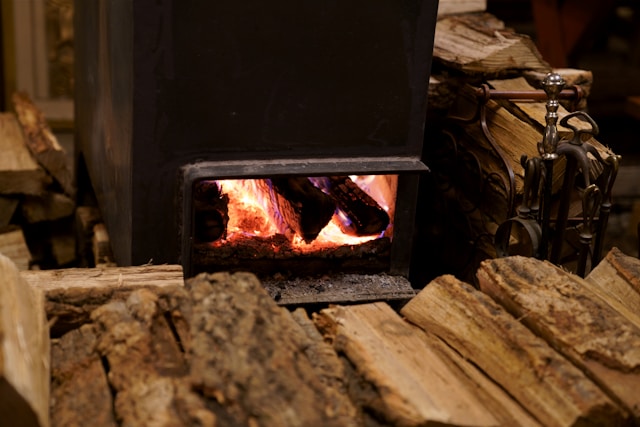
In Perth, jarrah and marri firewood are prevalent because they are the best to use in wood heaters, which are hardwood and dense enough to burn efficiently and longer. Unseasoned wood is fresh and has just been chopped less than twelve months ago; it is full of moisture and does not burn well, creates creosote in the flue, and gives off much less energy. Burning unseasoned wood increases the risks of the fire and requires more frequent cleaning of the flue system, which may be necessary to do yearly if wood quality was poor. Jarrah needs a good fire bed to burn, but it retains warmth longer than softwood and requires less reloading through a cold night in Rockingham or Fremantle.
The Compliance Saves You Money And Your House
Installation of wood heaters Perth must follow Australian Standard AS/NZS 2918 regarding minimum distances to combustible objects, minimum flue heights, and hearth size. For installation inbuilt in a building in certain Perth metro local government areas, building permits may be required; it is better to check beforehand to avoid unwanted troubles. The insurer may ask questions about non-compliant installation in the case of fire claim assessment; the installer’s documentation will be helpful in the future as part of home files.

Leave a reply